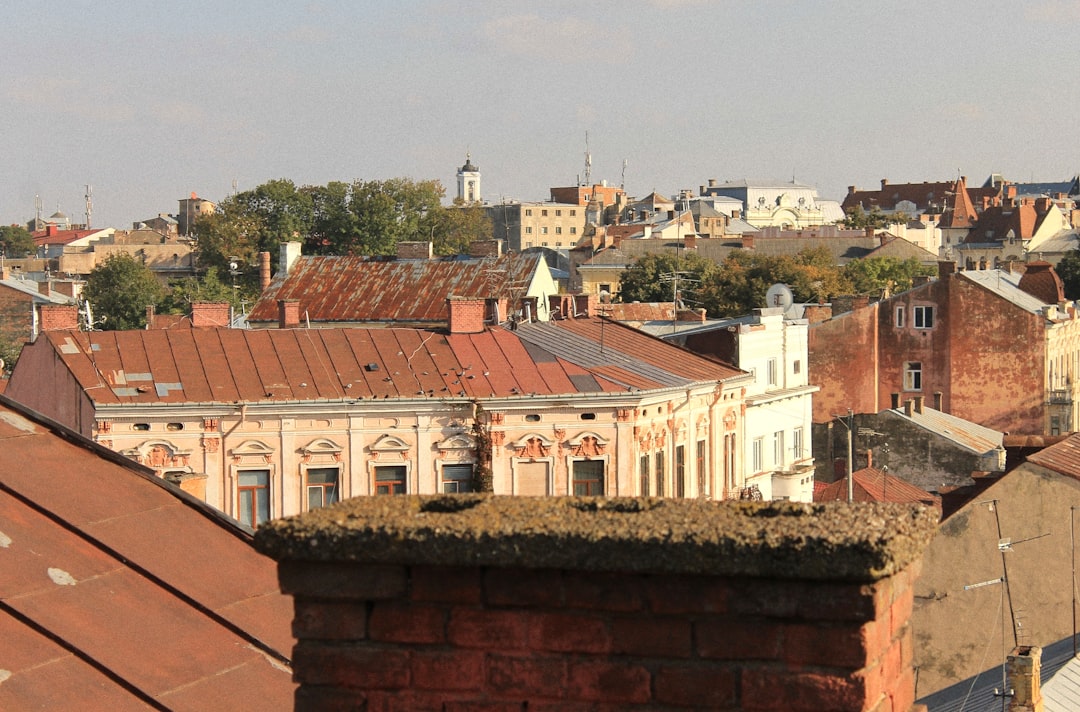
When it comes to maintaining the integrity of our roofs, regular inspections are paramount. We often overlook our roofs, assuming they are in good condition simply because we don’t see any visible issues. However, many problems can develop out of sight, such as hidden leaks, mold growth, or structural damage.
By scheduling routine inspections, we can catch these issues early on, preventing them from escalating into costly repairs. A proactive approach not only extends the lifespan of our roofs but also ensures the safety and comfort of our homes. In Houston, where the weather can be unpredictable, regular inspections become even more critical.
The intense heat and sudden storms can take a toll on our roofing systems. By having a professional assess our roofs at least twice a year—preferably in the spring and fall—we can identify potential vulnerabilities before they become significant problems. This practice not only saves us money in the long run but also provides peace of mind knowing that our homes are well-protected against the elements. For reliable and professional Services in greater Houston, visit Services in greater Houston.
Choosing the Right Roofing Material
Selecting the right roofing material is a crucial decision that can significantly impact the durability and efficiency of our homes. With various options available, it’s essential to consider factors such as climate, aesthetics, and budget. In Houston, we face unique weather challenges, including high humidity and intense sun exposure.
Therefore, materials like asphalt shingles, metal roofing, and tile are popular choices due to their resilience and ability to withstand the local climate. As we explore our options, it’s important to weigh the pros and cons of each material. Asphalt shingles are cost-effective and easy to install, making them a common choice for many homeowners.
On the other hand, metal roofing offers superior durability and energy efficiency, reflecting sunlight and reducing cooling costs during the hot summer months. Tile roofs provide a classic look and exceptional longevity but may require a more significant upfront investment. By understanding the characteristics of each material, we can make an informed decision that aligns with our needs and preferences.
Proper Installation and Maintenance
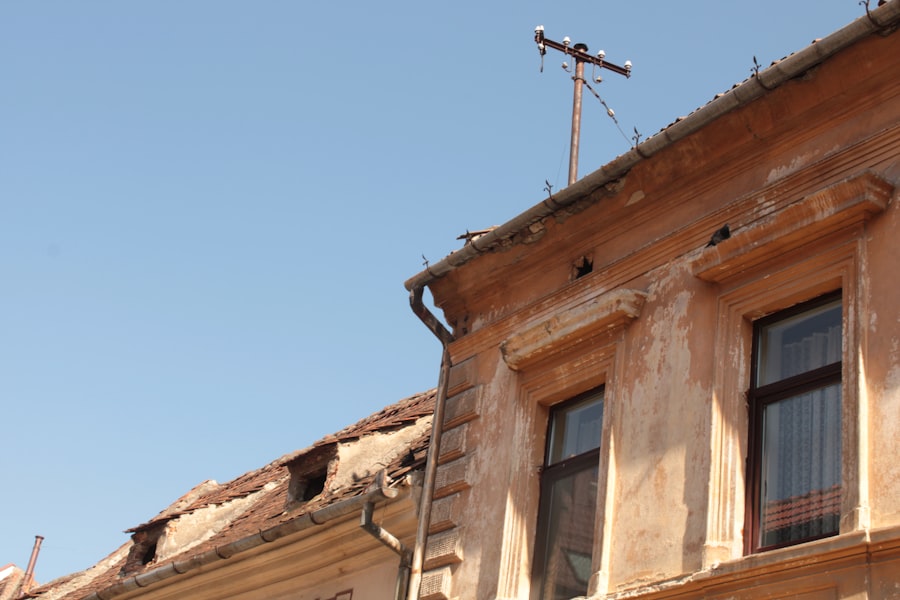
Even the best roofing materials can fail if not installed correctly. Proper installation is crucial to ensure that our roofs perform as intended and provide adequate protection against the elements. When we invest in a new roof or repairs, we must prioritize hiring skilled professionals who adhere to industry standards and best practices.
A poorly installed roof can lead to a myriad of issues down the line, including leaks, poor ventilation, and premature wear. Maintenance is equally important in preserving the integrity of our roofs. Regular cleaning of gutters and downspouts helps prevent water buildup that can lead to leaks and structural damage.
Additionally, we should keep an eye out for any signs of wear or damage, such as missing shingles or rust spots on metal roofs. By staying proactive with maintenance tasks, we can ensure that our roofs remain in optimal condition for years to come.
Understanding the Impact of Weather
| Weather Metric | Description | Impact on Environment | Impact on Human Activities | Measurement Units |
|---|---|---|---|---|
| Temperature | Degree of heat present in the atmosphere | Affects plant growth, animal behavior, and ecosystem balance | Influences energy consumption, health risks, and agriculture | °C / °F |
| Precipitation | Amount of rain, snow, sleet, or hail | Impacts water supply, soil moisture, and flood risks | Affects farming, transportation, and infrastructure | Millimeters (mm) / Inches (in) |
| Wind Speed | Rate of air movement | Influences seed dispersal, erosion, and weather patterns | Impacts aviation, construction, and outdoor events | Kilometers per hour (km/h) / Miles per hour (mph) |
| Humidity | Amount of moisture in the air | Affects plant transpiration and animal comfort | Influences human comfort, health, and HVAC systems | Percentage (%) |
| Barometric Pressure | Atmospheric pressure exerted by the weight of air | Impacts weather changes and storm development | Affects aviation, weather forecasting, and health | Millibars (mb) / Inches of mercury (inHg) |
| Solar Radiation | Energy from the sun reaching the earth’s surface | Drives photosynthesis and climate systems | Influences solar power generation and outdoor activities | Watts per square meter (W/m²) |
Living in Houston means we experience a wide range of weather conditions throughout the year. From scorching heat to heavy rainstorms and occasional hail, our roofs face constant challenges. Understanding how these weather patterns affect our roofing systems is essential for effective maintenance and repair strategies.
For instance, prolonged exposure to high temperatures can cause shingles to deteriorate faster, while heavy rains can lead to water pooling on flat roofs if drainage isn’t properly managed. Moreover, seasonal changes can also impact our roofs in different ways. During hurricane season, for example, we must be particularly vigilant about securing our roofs against strong winds and flying debris.
By being aware of how weather affects our roofing materials and structure, we can take proactive measures to protect our homes and ensure their longevity.
Addressing Leaks and Water Damage
Leaks are one of the most common issues homeowners face when it comes to roofing problems. They can occur for various reasons, including damaged shingles, improper flashing installation, or even clogged gutters. When we notice signs of a leak—such as water stains on ceilings or walls—it’s crucial to address the issue promptly.
Ignoring leaks can lead to significant water damage, mold growth, and costly repairs down the line. To effectively address leaks, we should first identify their source. This may involve inspecting the roof for visible damage or consulting with a professional who can conduct a thorough assessment.
Once we pinpoint the problem area, timely repairs are essential to prevent further damage. Whether it’s replacing missing shingles or resealing flashing around chimneys and vents, taking swift action can save us from more extensive repairs in the future.
Dealing with Pests and Wildlife
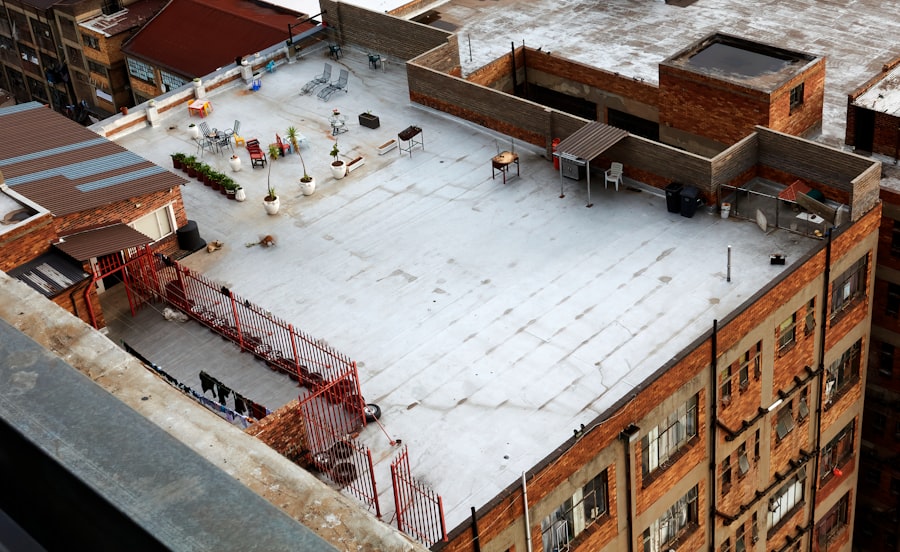
Our roofs not only protect us from the elements but also serve as a potential entry point for pests and wildlife. In Houston, we may encounter various critters looking for shelter—raccoons, squirrels, and even insects like termites can pose significant threats to our roofing systems. These pests can cause damage by gnawing through materials or creating nests that lead to blockages and leaks.
To prevent infestations, regular inspections are key. We should look for signs of pest activity, such as droppings or chewed materials. Additionally, ensuring that our roofs are well-maintained—by sealing gaps and keeping trees trimmed away from the house—can help deter wildlife from making our roofs their home.
If we suspect an infestation has already occurred, it’s best to consult with pest control professionals who can safely remove unwanted guests without causing further damage to our roofs.
Considering Energy Efficiency
In today’s world, energy efficiency is more important than ever—not just for reducing utility bills but also for minimizing our environmental impact. Our roofing choices play a significant role in how energy-efficient our homes are. For instance, reflective roofing materials can help reduce heat absorption during hot Houston summers, leading to lower cooling costs.
Additionally, proper insulation in the attic can prevent heat loss during cooler months. When considering energy efficiency in roofing, it’s also essential to think about ventilation. A well-ventilated roof allows hot air to escape during summer months while preventing moisture buildup that can lead to mold growth in winter.
By investing in energy-efficient roofing solutions and ensuring proper ventilation, we can create a more comfortable living environment while saving money on energy bills.
Hiring a Professional Contractor
Finally, when it comes to roofing projects—whether it’s installation, repair, or maintenance—hiring a professional contractor is crucial for ensuring quality work. While DIY projects may seem appealing for cost-saving reasons, roofing is a complex task that requires specialized knowledge and skills. A professional contractor not only has the expertise to handle various roofing materials but also understands local building codes and regulations.
When selecting a contractor, we should take the time to research their credentials and reputation within the community. Reading reviews from previous clients and asking for references can provide valuable insights into their work quality and reliability. Additionally, obtaining multiple quotes allows us to compare pricing while ensuring we’re getting fair value for the services provided.
By choosing a reputable contractor, we can rest assured that our roofing needs will be met with professionalism and care. In conclusion, maintaining a healthy roof is an ongoing process that requires attention to detail and proactive measures. From regular inspections to choosing the right materials and hiring qualified professionals, each step plays a vital role in ensuring our homes remain safe and comfortable for years to come.
By prioritizing these aspects of roofing care, we not only protect our investments but also enhance our overall quality of life in Houston’s unique climate.
FAQs
What types of materials are commonly used in residential roofing?
Common materials for residential roofing include asphalt shingles, metal, wood shakes, clay or concrete tiles, slate, and synthetic roofing products. Each material varies in durability, cost, and aesthetic appeal.
How long does a typical residential roof last?
The lifespan of a residential roof depends on the material used. Asphalt shingles typically last 15-30 years, metal roofs can last 40-70 years, wood shakes around 20-40 years, and slate or tile roofs can last over 50 years with proper maintenance.
What factors affect the cost of residential roofing?
Costs are influenced by the roofing material, roof size and complexity, labor rates, geographic location, and any additional features such as ventilation or insulation upgrades.
How often should a residential roof be inspected?
It is recommended to have a professional roof inspection at least once a year and after major weather events to identify and address any damage early.
Can I install a new roof over my existing one?
In some cases, a new roof can be installed over an existing layer, but this depends on local building codes, the condition of the current roof, and the type of roofing material. It is best to consult a roofing professional.
What are the signs that a residential roof needs repair or replacement?
Signs include missing or damaged shingles, leaks inside the home, sagging roof deck, granule loss on shingles, and visible wear around chimneys or vents.
How does climate affect residential roofing choices?
Climate influences material selection; for example, metal roofs are good for snowy areas due to snow shedding, while clay tiles are popular in hot, dry climates for their heat resistance.
Is residential roofing covered by homeowners insurance?
Most homeowners insurance policies cover roof damage caused by sudden events like storms or fire, but not damage due to neglect or normal wear and tear. It is important to review your policy details.
What maintenance is required to extend the life of a residential roof?
Regular cleaning of debris, gutter maintenance, prompt repair of minor damage, and ensuring proper attic ventilation can help extend a roof’s lifespan.
How long does it take to replace a residential roof?
Roof replacement typically takes a few days to a week, depending on the size and complexity of the roof, weather conditions, and the roofing material used.